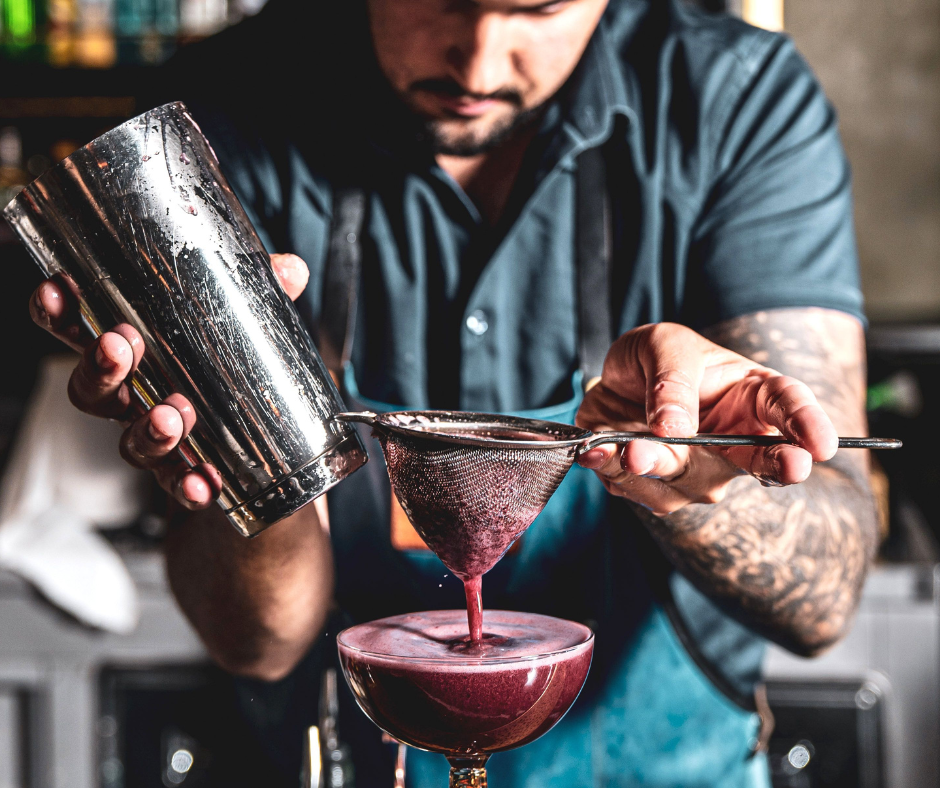

As hemp beverages become more sophisticated, flavor is becoming a bigger competitive advantage. Many consumers are looking for beverages with less sugar, cleaner labels, and flavors that stand up to other quality drinks on the shelf. Yet many hemp drinks still rely on simple, lightly flavored seltzer profiles that lack depth and complexity.
THC distillate, emulsions, cannabinoids, botanicals, and other functional ingredients can all affect taste, mouthfeel, and even appearance. Creating a balanced beverage often requires much more than selecting the right flavor. It requires understanding how all of those ingredients work together.
To better understand what brands should look for in a flavor partner, Hemp Beverage News spoke with Northern California-based Flavor Co., which has worked with cannabis brands since 2018 before expanding into hemp beverages. While large flavor houses are increasingly entering the category, companies with experience in cannabis formulations can bring additional insight into the off-notes and formulation challenges that these ingredients can create.
Whether you’re developing your first beverage or expanding an existing line, choosing a flavor house involves more than tasting samples. The right partner should be able to help you navigate formulation challenges, manufacturing realities, and future growth. Before making that decision, here are some of the questions every brand should be asking.
What Kind of Beverage Are You Trying to Create?
Before developing a flavor profile, brands need to have a clear vision for the beverage they want to create. Is it a lightly flavored sparkling water, a cocktail-inspired drink, a functional beverage, a shot, or something else entirely?
According to Battista, the first step is understanding the overall beverage concept, including the desired sweetness level, whether the brand wants to use sugar or alternative sweeteners, and what other ingredients will be included.
Those decisions can impact everything from flavor selection to formulation. A beverage containing THC distillate will have different challenges than one incorporating additional cannabinoids, botanicals, or functional ingredients. The final product goal needs to be clear before the formulation process begins.
How Will the Ingredients Work Together?
Developing a hemp beverage isn’t just about choosing a flavor profile. It’s also about understanding how every ingredient works together and whether the formulation can be produced consistently as the brand grows.
Many startups come to the table with a list of ingredients they want to include, from cannabinoids and adaptogens to botanicals like kava or ashwagandha. Before formulation begins, those ingredients need to be evaluated for more than just flavor. Are they water-soluble? Will they work well together? Will they affect the beverage’s appearance or mouthfeel? Can any off-notes be masked?
Battista also encourages brands to think carefully about the purpose of every functional ingredient. Adding trendy ingredients may look good on a label, but if they’re included at levels too low to deliver a meaningful benefit, consumers may not notice a difference. Brands should ensure their formulations support the claims they make.
Scalability is another consideration that’s easy to overlook. As brands grow, they often move between co-packers or canning facilities. A well-developed formulation should remain consistent regardless of where it’s produced. Some formulation partners simplify that process by supplying ready-to-use flavor concentrates that can be sent directly to the production facility, helping maintain consistency from one production run to the next.
Does the Product Match the Premium Promise?
When brands talk about creating a premium beverage, they’re often thinking about ingredients. But Battista believes premium starts with the overall brand positioning and how the product delivers on it.
That doesn’t necessarily mean using juice instead of natural flavors or choosing one sweetener over another. A premium beverage can be made with different ingredient strategies, as long as the ingredients support the quality claims.
Just as important is the experience once the consumer opens the can. Flavor, mouthfeel, aroma, sweetness, and even the expected effects all contribute to whether a beverage feels premium. If the product inside doesn’t match the image on the label, consumers are unlikely to buy it again.
In the end, a premium beverage isn’t defined by a single ingredient; it’s the formulation, flavor, and the drinking experience that all work together.
Who Owns the Formula?
One of the biggest mistakes Battista sees brands make is the failure to ask who owns the finished formulation.
Many startups work with a co-packer, brewery, or flavor house to develop their first beverage. In some cases, the formulation belongs to the company that created it, not the brand that’s selling it. That can become a problem later if the brand wants to change manufacturers, negotiate better pricing, or bring production elsewhere.
“Free formulation” can also come with tradeoffs. A company may require a minimum purchase commitment, an exclusivity period, or other conditions in exchange for developing the recipe. Those arrangements aren’t necessarily bad, especially for startups trying to get to market quickly, but brands should understand exactly what they’re agreeing to before signing a contract.
“The number one mistake people make is not owning their formulation,” Battista said. Brands need to ask if the business grows and production moves somewhere else, can you take your recipe with you?
Are You Choosing the Right Partner?
Finding the right flavor house isn’t just about comparing prices or tasting samples. Battista recommends talking with several formulators before making a decision and choosing one that’s willing to work with you to create a product rather than simply filling an order.
Some companies take a collaborative approach, asking questions about the brand’s goals, target consumer, ingredient choices, and manufacturing plans before they begin formulation. Others may work from a specification sheet and formulate exactly what’s requested. Neither approach is necessarily right or wrong, but brands should understand what level of guidance they’re looking for.
Beyond the formulation process itself, brands should also understand the broader supply chain behind their beverage. A flavor house, co-packer, and ingredient suppliers all play a role in the final product, and knowing who is responsible for each piece can help avoid problems later.
Battista also recommends learning more about the other partners involved in the formulation process, particularly the emulsion supplier. The emulsion plays a critical role in delivering consistent effects, stability, and product performance, yet many startups don’t know who is providing it.
“You should absolutely know who’s providing your nano or whatever other type of emulsion it is,” Battista said. “Make sure you’re comfortable with that company and understand what they’re providing.”
A great hemp beverage starts with a good idea, but getting it to market takes much more than choosing a flavor. Brands should understand how ingredients interact, ask the right questions about formulation and manufacturing, know who owns the recipe, and choose partners they trust. Taking the time to work through those details early can save time, money, and costly reformulations as the brand grows.