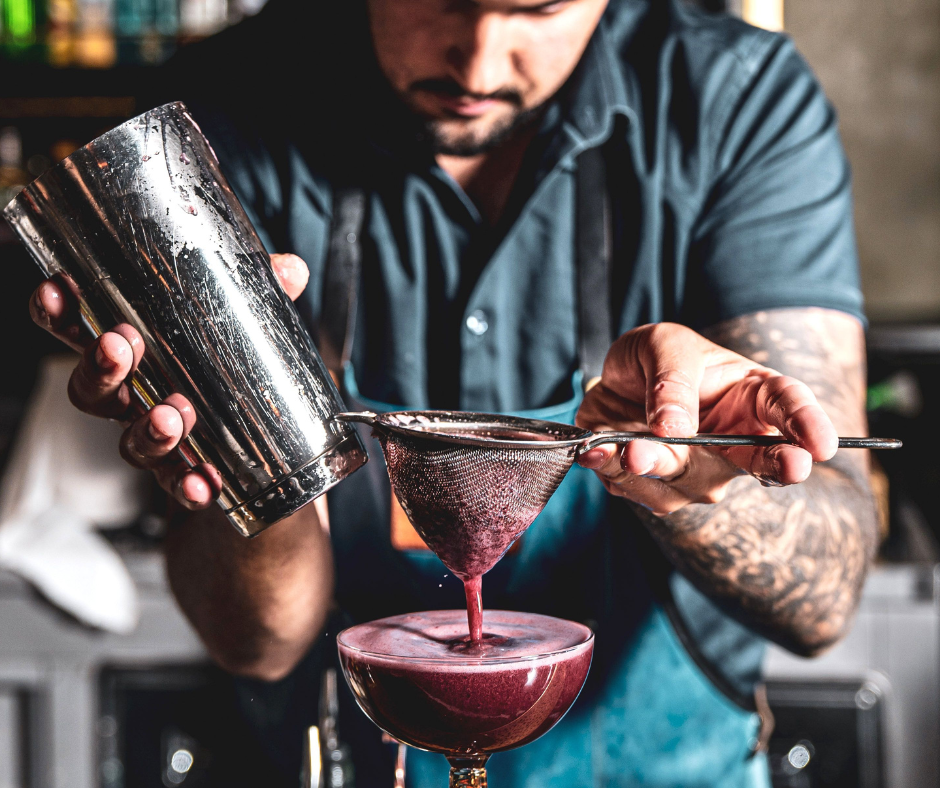

BevNet’s annual show in New York City took place last week, bringing together emerging beverage brands, many of them in the craft and functional categories, along with buyers, investors, suppliers, and industry experts. Discussions throughout the event focused on the challenges facing today’s beverage founders. With hundreds of brands competing for consumer attention and retail space, many of the conversations centered on what separates brands that gain traction from those that struggle to break through.
With functional beverages, alternative formats, and better-for-you products continuing to expand, the competition for consumer attention and retail space is becoming increasingly crowded. The panel highlighted that launching a beverage is only the beginning. Brands need a clear reason to exist, a deep understanding of their consumers, and the infrastructure to support growth as demand builds.
The event kicked off with “The State of the Market” panel, featuring John Lawson from Whole Foods, Daniel Grubbs from William Hood & Co., Jennifer Ross, co-founder and CEO of Swoon, and Trent Moffat from Gotham DSD.
A major theme throughout the discussion was adaptability. As Grubbs explained, brands entering today’s beverage market need to be prepared to continuously evolve in an increasingly crowded category.
“You’ve got to be adaptive. You’ve got to be in the category of adaptability,” Grubbs said, noting that while beverage categories are becoming more defined, there is still room for brands to carve out a spot and be disruptive.
Grubbs cautioned emerging brands against entering the market as another version of an existing trend without clear differentiation. “Don’t come in as another protein drink,” he said. Instead, brands need to understand the competitive landscape and define what makes their product meaningfully different before approaching retail buyers.
Making changes after entering mass retail can create additional challenges. Buyers want to see that a product has been thoughtfully developed and has a clear market position. Major changes after distribution begins can raise questions about the product and create unnecessary costs and operational hurdles.
Listening to consumer feedback was another key point of discussion. While not every comment warrants a change, repeated feedback may signal an opportunity to adjust the product to better align with consumer expectations.
One piece of feedback may not require a change, but when the same issue comes up repeatedly, it may signal an opportunity for improvement.
Swoon’s Ross shared her own experience building a beverage brand, explaining that the company began by selling regionally through Whole Foods before expanding nationally and later adding Walmart.
She noted that scaling a brand is not necessarily harder than launching one, but it introduces a different set of challenges. “When there’s an issue to fix, it’s not just a few hundred stores, it’s a few thousand stores,” she explained.
Growth also changes the marketing challenge. As brands expand, they must find new ways to reach consumers and build awareness in an increasingly competitive marketplace. Ross suggested strategies such as limited-time offers (LTOs) to create excitement and encourage trial, a tactic frequently used by larger beverage companies.
The panel also discussed how brands today have more marketing tools available than ever before, from social media to digital advertising.
The panelists emphasized that brands need to understand the goal behind each marketing effort rather than taking a broad “spray-and-pray” approach.
For example, TikTok may drive retail velocity, but it is not necessarily the same strategy for generating awareness. Successful brands are finding creative ways to combine different channels and connect with consumers where they are.
As Grubbs noted, “The successful brands are the ones who are creative, both in coming up with different ways to use those tools and in finding the right combination of those tools to be most effective and connect with their customers.”
Ross also highlighted the importance of traditional consumer engagement, including in-store demos and tastings. While “sips to lips” remains one of the most effective ways to win over consumers, she acknowledged that it is difficult to scale. That is where digital marketing can help extend the reach.
She advised brands to focus on the specific goal they are trying to achieve instead of trying to do everything at once.
“Think about your actual goal and what’s going to get you there,” Ross said. “Not trying to do everything, but really focusing on one or two things, and how to make a difference.”
Operational readiness was another important takeaway from the conversation. When asked what advice they would give emerging brands, Grubbs pointed to the importance of forecasting ingredients, packaging, and supply needs for future productions.
Many companies focus heavily on demand generation but underestimate the importance of having the materials and infrastructure needed to support growth.
“Stay ahead of your forecasts,” was the message, as supply chain issues can quickly become a barrier when demand increases.
The conversation also touched on the future of alternative beverages, including the growing interest in functional drinks and the emerging hemp-derived THC beverage category.
While Whole Foods has not yet embraced THC beverages, Lawson indicated that the retailer continues to see opportunity in craft, alternative, and functional beverages. He noted that brands still have room to break through, but only if they can clearly articulate why they deserve a place on shelf.
Taste remained a recurring theme throughout the panel. No matter how strong the branding, marketing, or functional claims, consumers will not become repeat customers if the product does not deliver.
Success takes more than a good idea. It comes down to a differentiated product, operational discipline, thoughtful marketing, and, most importantly, a beverage consumers actually want to drink again.