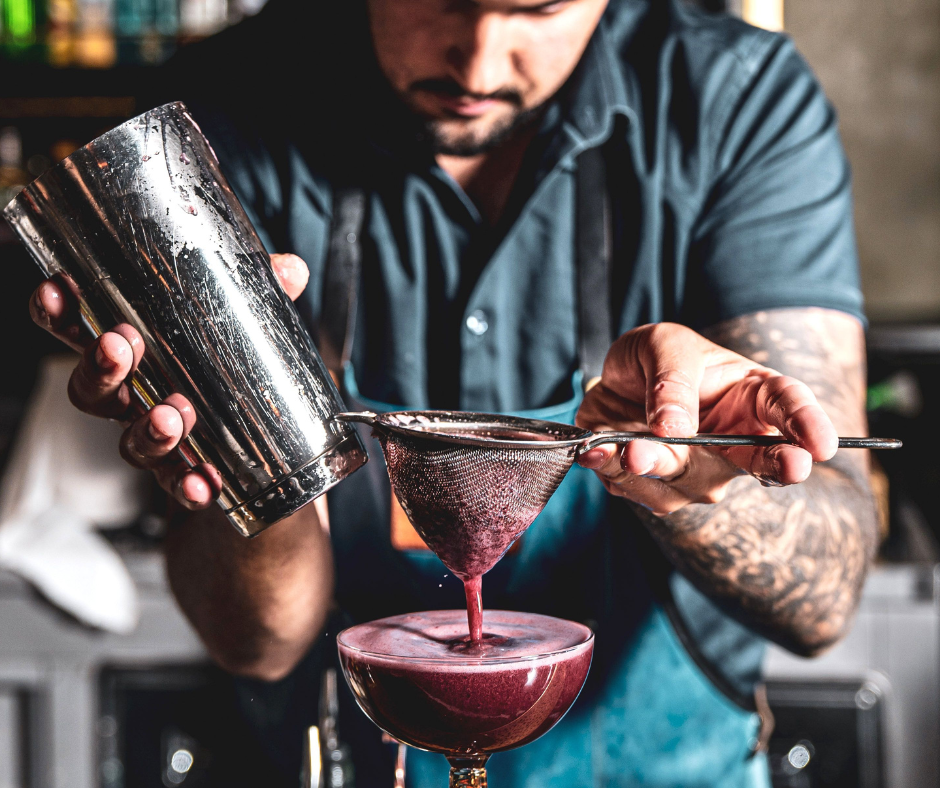

A new survey from Ernst & Young (EY) spotlights how the beverage industry is evolving and being reshaped by how people think about health, how they discover products, and how younger generations are changing things up.
The study, based on more than 2,500 consumers in the U.S. and Brazil, points to three big forces driving change right now: wellness, digital discovery, and generational shifts.
For brands and retailers, this pivot in consumer behavior is already evident in what sells and why.
People Are Thinking More About What’s in Their Drink
Consumers are paying closer attention to what they’re putting in their bodies, and beverages are no exception.
According to the survey:
- 58% of U.S. consumers say they look at ingredients
- 52% are willing to pay more for drinks that support their health
- 66% are choosing lower-sugar, lower-calorie options
That’s a meaningful shift. Drinks are no longer just about taste or convenience—they’re increasingly tied to things like energy, focus, recovery, or overall wellness.
As Rob Holston, EY Global and Americas Consumer Products Sector Leader, puts it, wellness isn’t a niche anymore—it’s becoming the baseline, “Brands must design for multiple definitions of wellness.”
For brands, that raises the bar. It’s not enough to slap a vague “better-for-you” label on a product. Consumers want to understand what’s inside, what it does, and whether they can trust it.
Discovery Is Happening Online—Not Just in Stores
The way people find new beverages is changing just as quickly as what they’re looking for.
Instead of browsing shelves, more consumers are discovering products through:
- Online grocery platforms
- Fitness and wellness apps
- Loyalty and rewards programs
Gen Z is leading the way here, but there is more to it than that.
AI is also starting to play a role. About 27% of U.S. consumers say they’ve used AI tools to get beverage recommendations. In Brazil, that number jumps to 45%—and most expect to use those tools even more in the near future.
What this means in practice: brands can’t rely on packaging and shelf placement alone anymore. If your product doesn’t show up in someone’s app, feed, or recommendation engine, you may never even get considered.
Younger Consumers Are Drinking Differently
One of the most important takeaways from the report is how much drinking habits vary by generation.
Younger consumers—especially Gen Z—are:
- Drinking less alcohol than older groups
- More likely to choose functional beverages
- Heavy users of categories like energy drinks
At the same time, there’s still some social pressure to drink alcohol, particularly in the U.S. But that’s starting to shift as more alternatives become available.
This is where things get interesting for the industry. As younger consumers look for drinks that align with how they want to feel—more focused, more relaxed, healthier overall—new categories are stepping in to fill that space.
What This Means for the Industry
None of this is happening in isolation. These trends overlap and reinforce each other, creating a more competitive, fast-moving market.
A few clear takeaways for operators:
Health claims need to be real and clear
Consumers are reading labels. If your product promises a benefit, you need to back it up.
Digital matters more than ever
Discovery is happening on screens. Brands need to think about how they show up in apps, search results, and recommendation tools—not just on shelves.
Younger consumers are setting the tone
Their preferences around moderation, functionality, and personalization are shaping where the market is heading.
“Wellness” means different things to different people
For some, it’s energy and performance. For others, it’s relaxation or cutting back on alcohol. Brands that recognize that nuance have an advantage.
The Bigger Picture
The takeaway from the EY survey isn’t that one category is winning or losing. It’s that consumers are becoming more intentional and less predictable.
As Sean Harapko, EY Americas Beverage Leader, notes, beverage choices are deeply personal now. That makes it harder to win broad loyalty, but it also opens the door for brands that can connect with specific needs and moments.
For the industry, success will come down to staying close to the consumer, understanding how expectations are shifting, and moving quickly enough to keep up.
Because increasingly, it’s not just about what tastes good. It’s about what feels right.