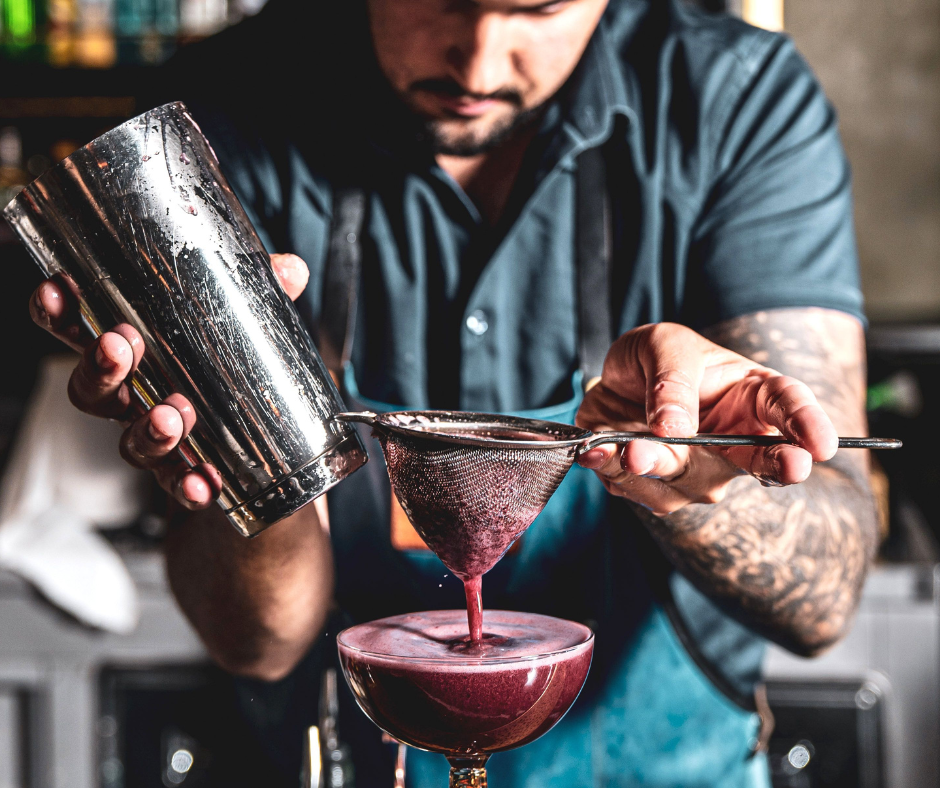

Mostly operating under the shadow of the dry cannabis sector, the hemp beverage market is burgeoning in 2026 and showing few signs of slowing down.
The global cannabis beverage market currently stands at $3.47 billion in value and is expected to grow to $14.59 billion in 2035, representing a compound annual growth rate of 15.12% over that period, according to Precedence Research.
The hemp beverage market is primarily expanding due to the rising demand for smoke-free cannabis options by consumers, who have myriad options for beverages enriched with CBD and THC. That activity has drawn the attention of insurers, who are equally drawn to an industry with profit potential, but with no shortage of risk.
“Cannabis-infused beverages are quickly becoming one of the hottest segments in both the cannabis and functional wellness markets,” stated Bradford J. Lachut, as government affairs counsel for the Government & Industry Affairs Department at PIA.org in a recent research note. “From THC-spiked sodas to CBD-infused teas, these drinks offer a popular alternative to alcohol. However, while they may be smooth to sip, they pose complex challenges for insurance producers navigating uncertain liability terrain.”
Points of Concern For Hemp Beverage Industry Operators and Insurers
Still very much early on in the maturation process, the hemp products insurance market, beverages included, shows signs of being disjointed and underserved.
“Many carriers continue to treat hemp the same way they treat cannabis, which presents coverage gaps that are not related to the actual risk,” said Manny Soto, director of operations at Burning Daily, a hemp retail platform. “The problem was not resolved with federal legalization of hemp in the 2018 Farm Bill.”
In the interim, hemp industry insurers have moved at a glacial pace and some continue to charge hemp businesses high risk without considering the content of THC content or type of product. “Today, manufacturers and retailers are paying fees that do not reflect their actual exposure,” Soto said.
A Complex Marketplace
One particular challenge for insurers is that beverages pose an additional level of risk.
“You’re dealing with food and beverage regulations on top of hemp compliance, and most general liability policies were not written with that combination in mind,” Soto noted. “Distributors are getting caught between product liability gaps and carrier reluctance.”
Insurance providers may need to pivot on beverage hemp policies, as manufacturers and retailers need to treat insurance as a cost-of-doing-business calculation, not an afterthought.
“Whether a hemp extract is a consumable beverage or not doesn’t matter to underwriters,” Soto said. “A retailer selling hemp gummies faces different exposure than one selling hemp sparkling water, and policies need to reflect that difference specifically.”
Another issue is pricing, which the insurance sector still seems to be figuring out as policy coverage expands. Coverage for hemp beverage operations normally includes general liability, product liability, and property coverage, with commercial auto added for distribution.
“Product liability in itself can cost between $3,000 to $8,000 a year based on volume and distribution coverage,” Soto added. “The fact is that most operators either lack coverage or pay for coverage that doesn’t include the exact scenarios they face. Getting the right policy means working with a broker who actually knows this category.”
A Thorny Market To Insure – For Now
Industry experts say, for those reasons and more, hemp beverages are one of the toughest parts of the hemp market to insure.
“They’re fast-acting, widely available, and often positioned as alcohol alternatives, which immediately puts insurers on edge,” said Lee Woodruff, vice president of cannabis products at Jencap, a New York-based insurance provider.
Common concerns include intoxication allegations, inconsistent dosing, labeling issues, and recall risk.
“Even if a beverage is technically compliant, a claim can still come up if someone says they felt impaired and got hurt, or if a regulator takes issue with how the product is marketed,” Woodruff said. “There is coverage out there, but it usually comes with tighter terms, more exclusions, and a lot of scrutiny around formulation, testing, and distribution.”
Hemp beverage is also one of those areas where insurance can look stable on the surface until company owners actually read the policy.
“Hemp beverage coverage is heavily customized, and tiny details make a big difference,” Woodruff said. “Manufacturers are usually focused on product liability and recalls, while retailers are counting on vendor additional insured status and contracts to protect them.”
Woodruff said he regularly sees retailers who expect the manufacturer’s policy to respond to risk issues, only to find out the claim falls into an exclusion area: intoxication, labeling, or product handling issues are common ones.
“If you don’t understand how your policy treats cannabinoids, marketing, or distribution, it can become a real headache after a claim,” Woodruff said.
Brian O’Connell is an analyst at insuranceQuotes.com, which publishes in-depth studies, data and analysis related to auto, home, health, life and business insurance. In his role as analyst, Brian studies the insurance industry in order to provide trusted tips, advice and insights. A former Wall Street trader, he is the author of the books “CNBC’s Creating Wealth” and “The Career Survival Guide.” His commentary appears regularly on major media platforms like Fox Business, U.S. News, The Motley Fool, TheStreet.com and many others.