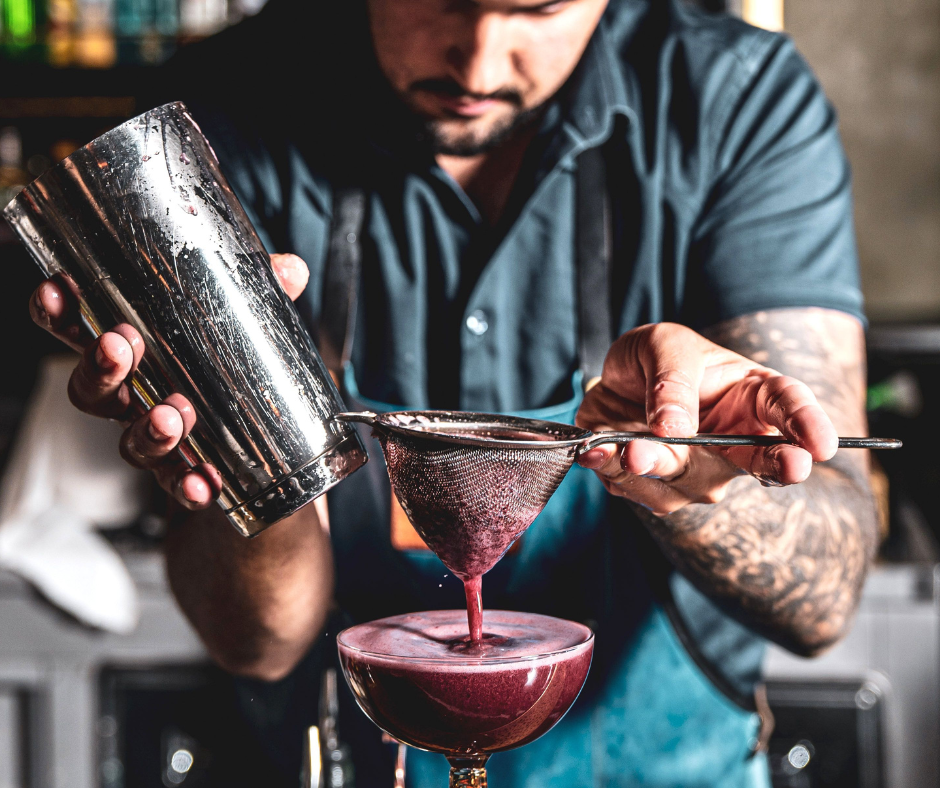

NielsenIQ, or NIQ, is a consumer intelligence company that helps brands and retailers understand what people buy, why they buy it, and what to do next. It uses retail measurement, consumer data, and analytics to turn shopping behavior into growth insights. Kaleigh Theriault, Director of beverage-alcohol insights at NielsenIQ, shared what she is seeing in the increased popularity of THC beverages in mainstream retail.
PC: How does NielsenIQ gather data?
K: Our traditional scanning data, what we call Retail Measurement Service data, comes from established partnerships with top retailers. We have contracts in place to obtain their data, and we share data in return. We receive all of this retailer data, cleanse it, and bring it together into a single platform that retailers, manufacturer partners, and other clients can access. Wall Street also relies on our data as a primary source.
For beverage alcohol, we track all grocery retailers, including mass retailers like Walmart and Target, as well as club stores. We don’t currently have Costco coverage for beer and wine, and spirits are still being added to our tracking. We also cover drugstores, dollar stores, and convenience stores.
For liquor store measurement specifically, we only track open states, not NABCA or control states like Pennsylvania, North Carolina, and Utah, where stores are state-run. That data falls strictly under NABCA.
On the THC side, we focus on channels where traditional alcohol is already present. It’s trickier because some major retailers restrict our access to their data. Even so, we have a solid read on where things are trending, who the major players are, what the dominant dosages and sizes are, and how sales are moving across states where these products are legal. Total Wine & More, for example, doesn’t share its hemp category data with anyone. They’re a major player in that space and are clearly protective of that information.
PC: Are you tracking on-premise infused beverage consumption?
K: We do get some on-premise data, though most of what comes through for us is on the consumer side. We’re able to understand how consumers are opting for THC beverages versus traditional functional beverages, and who is most willing to try them. On-premise, it skews younger. Off-premise retail purchases lean toward older consumers, toward Gen X.
PC: So, younger consumers at bars and restaurants, older consumers going into liquor stores?
K: Exactly. I think a lot of that comes down to comfort level. For older demographics, these products were stigmatized and illegal for much of their lives. Younger consumers have come of age when THC beverages were already accessible and approachable. They don’t view them as very different from alcohol. Older consumers tend to be more likely to consume them at home rather than in public. There’s a self-consciousness there.
PC: Let’s talk about subcategories. I’m hearing from liquor store buyers that shots are quickly becoming a leader in the category. How are the different form factors looking: seltzers, sodas, spirits, shots?
K: It’s a blurring line right now, honestly. Malt-based hard seltzers have been facing significant declines over the past several years. Meanwhile, spirits-based RTDs, things like spirits seltzers and canned cocktails, have actually surpassed hard seltzers according to our most recent data. That has never been the case before. The growth story right now is coming from canned cocktails and spirits seltzers, and each serves a different occasion.
Canned cocktails fit more of a wind-down moment. Someone wants a cocktail in the evening but doesn’t want to make it themselves. We’re seeing those grow in both smaller formats, largely for at-home consumption. Spirits seltzers still feel more like an upbeat, high-energy occasion, often a pregame. Think brands like High Noon.
Within the spirits-based segment, we’re also seeing hard tea and hard lemonade find real traction. Combinations like lemonade and tea, peach tea, and berry tea continue to resonate because consumers want variety.
One thing worth noting about RTD consumers: they are not very brand loyal. There’s a preference among alcohol bases, but it doesn’t always translate into a firm purchase decision at the shelf. If a convenience store only carries malt options, they’ll buy the malt.
PC: What about shots? The small airline bottle type.
K: Yes, and there is a lot happening in that small-size space. We generally define small sizes as 375ml and below, but 50ml is an area showing real growth. It’s not just a value play anymore. We’re also seeing people opt for premium and even ultra-premium products in smaller sizes. Someone might want a nice tequila or whiskey on the rocks without committing to a full bottle. That occasion is growing.
PC: How does that dynamic play into THC shots specifically?
K: Premiumization within THC is still developing in mainstream retail. The dominant format for THC and hemp brands off-premise is still a pre-mixed, canned, flavored drink. There are brands playing in the larger bottle space where consumers can mix their own THC cocktails, but that format appeals to someone who already feels very comfortable with THC. For a lot of consumers, there’s still real hesitation around dosing it yourself. A pre-portioned, ready-to-drink product removes that uncertainty, and there’s a lot of trust in that format right now.
PC: Are you seeing differences in product types across channels?
K: Off-premise, we’re seeing mostly packaged, branded products across the board. On-premise is more interesting. Yes, there are canned options, but we’re also seeing bartenders work with bottled formats, incorporating THC into cocktails. So instead of tequila in a margarita, a bartender might use a THC spirit. There’s more experimentation happening on-premise to maintain that cocktail experience.
Differentiation is going to matter a lot in this space. If you look at what happened with hard seltzers, there was a sea of brands all launching the same lime, berry, and cherry flavors with nothing to set them apart. Eventually that collapsed down to one or two dominant players. THC brands have a chance to learn from that. We’re already seeing some try to carve out distinct positioning through functional ingredients or targeted occasions rather than blending into the crowd.
For off-premise purchasing, right now, a lot is coming through liquor stores. Independent liquor stores especially have more flexibility in what they bring in, and they seem comfortable leaning into the category even though it still exists in a legal gray area. Convenience stores are making their presence known, too, but shelf space is always a constraint. Consumers are still figuring out where they can buy these products, which makes repeat-purchase patterns difficult for us to track.
PC: Any lessons for THC brands trying to enter mainstream distribution channels?
K: The entry point has largely been independent retailers, because they can take on more risk with less exposure. But chain retailers are stepping in. Target recently announced plans to carry these products in Minnesota and is now expanding into additional states like Nevada, Texas, and Illinois. The biggest driver is simple: consumers are seeking these products out, and retailers want to be there when shoppers come looking.
Distribution remains fragmented, though. Many retailers want to bring THC beverages in through traditional alcohol distribution networks, and that’s where you see another chain versus independent split. Larger distributors are more hesitant because of legal uncertainty at the federal level, while smaller, state-focused distributors feel more comfortable within their state’s specific framework. That willingness, or lack of it, has a real impact on which retailers can actually get these products on shelf.
PC: What about celebrity brands? Are they worth the investment?
K: Celebrity involvement can either really help a brand or hurt it. There’s also a difference between a celebrity-endorsed brand, a celebrity-influenced brand, and one that is actually celebrity-owned, and those don’t all perform the same way.
Where celebrity association works well is driving trial. If someone follows that celebrity, they’ll go out and buy the product. But if the product doesn’t deliver, they won’t come back. You can name a thousand celebrity tequila brands. Some have been very successful, and some have not. The difference usually comes down to whether the product lived up to the expectation that came with the name. Consumers today can find out anything online, so the bar for following through is higher than ever.
As the THC beverage category continues to gain traction, market research companies like NielsenIQ will dedicate more teams to tracking the sector. No matter what happens on the regulatory front, consumers are seeking these products out. Having them be accessible to shoppers when they’re looking for them is what every channel is racing to figure out.